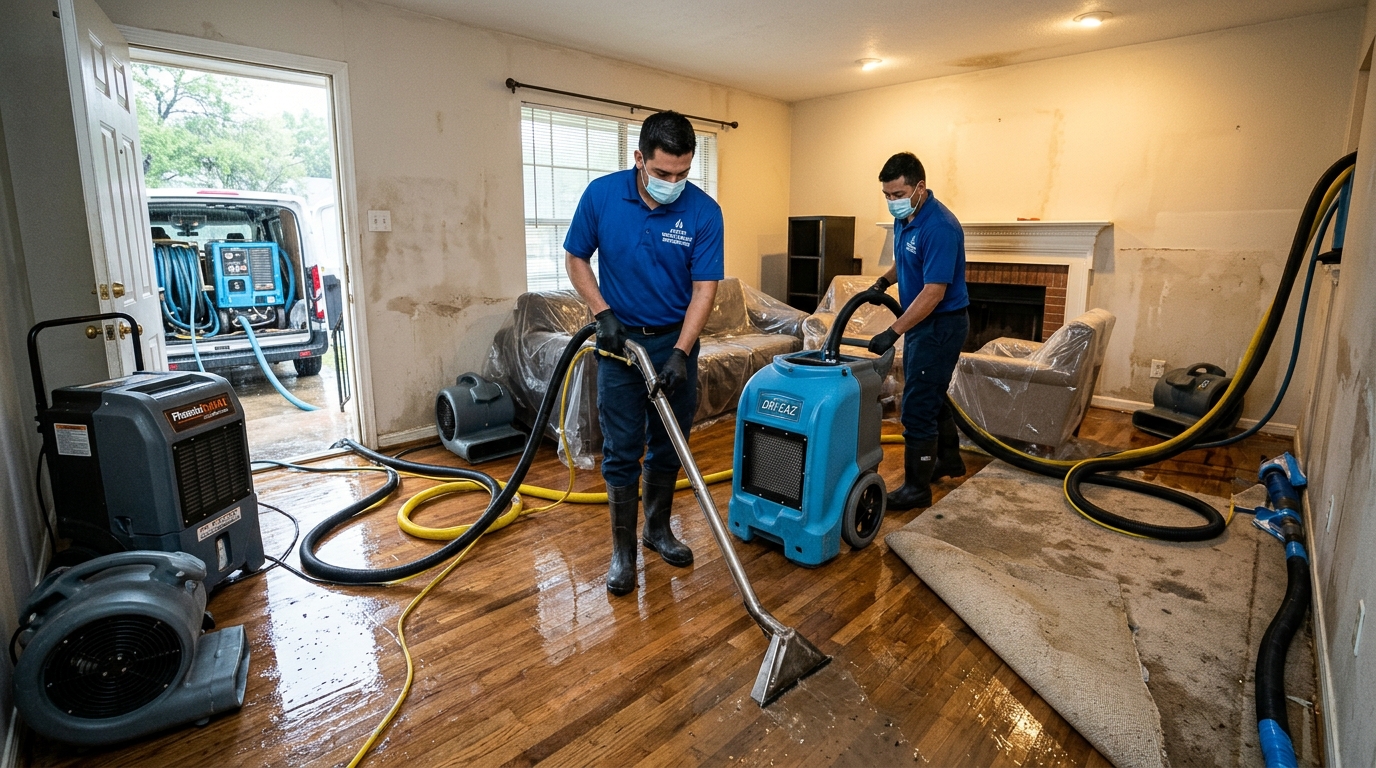
Central Texas occupies a geographic corridor frequently referred to as Flash Flood Alley, recognized as one of the most flood-prone regions in North America. The convergence of steep Hill Country terrain, thin limestone soils, and sudden heavy rain creates conditions where quiet waterways transform into torrential flows in very little time. In Austin, rapid urban expansion has added paved surfaces over an unyielding geological base, reducing the natural capacity of the ground to absorb intense downpours. When slow-moving storms stall over the area, stormwater runoff quickly overwhelms natural drainage channels, pushing water directly into nearby residential neighborhoods.
The Role of Local Creeks and Topography
Austin is crossed by numerous creeks that serve as primary drainage paths flowing toward the Colorado River and Lady Bird Lake. Waterways such as Shoal Creek, Onion Creek, Walnut Creek, and Williamson Creek have long histories of rising fast during heavy rain events. Because the surrounding Hill Country features hard limestone beneath shallow topsoil, rainwater cannot easily soak into the earth. Instead, vast sheets of runoff rush downhill into creek beds, causing water levels to spike rapidly.
Properties situated on low-lying lots or along natural drainage paths face heightened risks during major storms. Water often accumulates faster than municipal systems can convey it away, pooling across yards and pressing against building envelopes. Homes built on concrete slab foundations frequently experience surface water intrusion when exterior ground grades do not slope sufficiently away from the exterior walls. Attached and detached garages, which sit lower than main living quarters, often serve as the primary entry point for rushing surface water. Sloped driveways can funnel stormwater straight toward garage doors, overwhelming weather seals and spreading into utility rooms and adjacent ground-floor living areas.
Sewer Backups and Plumbing Vulnerabilities
Storm runoff does not enter homes exclusively through doors or foundation slabs. Severe downpours generate immense pressure within municipal drainage networks and private sewer lines. When floodwater infiltrates sanitary sewer systems through access points or aging underground pipes, system capacity becomes overwhelmed. This surcharge can force contaminated waste backward through lower-level plumbing fixtures, including floor drains, toilets, and showers. A sewer backup presents serious contamination concerns alongside physical water destruction, requiring careful containment.
Plumbing systems in Austin homes also face vulnerabilities during severe weather events. The February 2021 winter storm demonstrated how sudden environmental extremes impact residential infrastructure when sustained freezing conditions caused widespread burst pipes throughout the region. That event showed how rapidly indoor plumbing ruptures can mirror the destruction of an external flood, releasing substantial moisture into attics, wall cavities, and living spaces before main water supplies could be shut off.
Immediate Safety Steps Following Water Entry
When water enters a home, personal safety takes priority over salvage efforts. Moving or standing water inside a building creates serious hazards that residents should address before beginning cleanup:
- Electrical isolation: Submerged outlets, appliances, and wiring can charge standing water and create severe shock hazards. Homeowners should avoid walking through standing water without shutting off electricity from a dry location. If the electrical service panel is located in an inundated room, owners should contact the utility provider to shut off power externally.
- Water contamination: Floodwaters often contain roadway runoff, chemicals, and untreated sewage. Occupants should avoid direct skin contact by wearing rubber boots, heavy gloves, and protective gear when walking through affected spaces.
- Structural stability: Fast-moving currents can erode soil beneath foundations and compromise structural supports. Property owners should inspect walls, exterior trim, and ceilings for noticeable bowing or shifting before re-entering an impacted building.
Documenting Property Damage for Insurance
After securing the property and ensuring safety, establishing thorough documentation is the next critical task. Standard homeowner policies frequently separate surface flooding from internal plumbing failures, making detailed evidence essential when filing a claim.
Property owners should capture clear photographs and continuous video of all flooded rooms before removing water or discarding ruined materials. Documenting the waterline height along drywall, cabinetry, and doors provides clear proof of water depth. Owners should also photograph damaged mechanical equipment, such as water heaters, air handlers, and laundry appliances, making sure model numbers and serial plates remain legible. Compiling an itemized list of affected personal property, along with retaining representative swatches of damaged flooring or wallboard, helps insurance adjusters assess the full scope of property losses.
Drying and Structural Remediation
Removing trapped moisture from structural framing and flooring requires immediate, methodical effort. Moisture lingering in dark cavities beneath baseboards promotes rapid deterioration of gypsum board, wooden studs, and subfloors. Standing water should be removed as quickly as possible using submersible utility pumps and wet extraction machinery. Saturated carpets, padding, and damaged trim must be removed promptly so the underlying slab can dry.
Proper structural drying involves more than opening windows, especially during humid post-storm weather. Homeowners rely on high-velocity air movers directed across floor surfaces in combination with commercial dehumidifiers that extract moisture vapor from interior air. When water seeps beneath wall cavities and flooring layers, property owners often consult this Austin restoration team to verify moisture levels with specialized diagnostic meters and ensure structural assemblies are completely dry. Saturated wall insulation behind wet drywall must be stripped away to prevent hidden decay before rebuilding can safely proceed.