Frisco, Texas, located across Collin and Denton counties, has seen substantial residential development over the past several decades. Master-planned communities and custom subdivisions define the area, relying predominantly on slab-on-grade foundations engineered to support modern residential architecture. Beneath these properties, however, lies an active geological force: expansive clay soil. Common throughout the North Texas Blackland Prairie, clay-heavy ground reacts dramatically to changing moisture levels. During wet seasons, the soil absorbs water and swells, exerting upward pressure against concrete slabs. Extended dry spells cause the clay to desiccate, shrink, and pull away from exterior footings. This continuous cycle of swelling and shrinking places severe mechanical stress on plumbing lines running beneath concrete foundations.
The Movement of North Texas Clay Soil
The ground across Frisco contains highly plastic clays with pronounced shrink-swell tendencies. When sustained rainfall occurs, the soil expands, generating uplift pressure against the foundation base. When hot weather arrives, moisture evaporates rapidly, opening ground fissures and causing structural settling. Although slab-on-grade foundations are built to distribute weight across the surface, fluctuating soil moisture frequently causes differential movement, where separate sections of a home shift at uneven rates. This ground movement does not merely affect sheetrock and brick mortar; it directly strains municipal water supply pipes and drain lines embedded under the concrete.
Slab Leaks in Established and Newer Neighborhoods
Plumbing leaks beneath concrete foundations are not exclusive to older structures. Across Frisco, residential subdivisions face soil-related plumbing strain regardless of age. Established communities such as Starwood and Stonebriar feature mature landscapes and decades of soil settlement that test underground infrastructure. At the same time, newer master-planned developments like Phillips Creek Ranch and Newman Village feature homes built during rapid regional expansion. In newer subdivisions, ongoing soil settling around freshly excavated trenches can produce significant friction and tension against subsurface piping. As lines shift against aggregate or rocky fill under moving concrete, small cracks can develop, creating persistent water leaks under living spaces.
Drought Cycles and Foundation Watering
North Texas summers bring intense heat and extended dry periods that dry out the soil. As expansive clay contracts, it pulls away from exterior grade beams, creating hollows beneath the foundation edge. To protect structural stability, homeowners often practice foundation watering, using dedicated drip lines or soaker hoses placed around the home perimeter. The purpose of foundation watering is maintaining consistent moisture levels—preventing the clay from shrinking without over-saturating the soil. Inconsistent watering or neglected irrigation leaks can create uneven soil pockets, shifting the slab and increasing stress on incoming plumbing pipes.
Spring Storms and Compounding Moisture Hazards
Subsurface soil shifts represent only one side of local water challenges. Spring weather across Collin and Denton counties regularly brings severe thunderstorms featuring destructive hail and torrential rain. Hail strikes damage roof shingles, dislodge granules, and dent metal flashing. When severe storms puncture roofing materials, water can enter attic spaces and drain downward through wall cavities. When severe storm damage coincides with ground saturation or an under-slab leak, homes face moisture pressures from above and below, rapidly damaging structural assemblies and interior finishes.
Recognizing the Signs of an Under-Slab Leak
Because subsurface plumbing is encased under concrete slabs and finish flooring, leaks can persist unnoticed for extended periods. Homeowners can watch for several clear warning signs:
- Noticeable warm spots on tiled, hardwood, or carpeted floors, usually indicating a leaking hot water line.
- The sound of running water behind walls or beneath the slab when all faucets, fixtures, and appliances are shut off.
- Unexplained spikes in water utility bills that cannot be attributed to changes in lawn irrigation.
- Cracks developing in interior drywall, separated baseboard trim, or doors that suddenly stick inside doorframes due to localized foundation heave.
- Damp flooring materials, carpet discoloration, or persistent musty smells near ground-level rooms.
- Movement on the water meter indicator when no water is running on the property.
Initial Steps for Homeowners
When an under-slab plumbing leak is suspected, property owners should act promptly. The first measure is closing the main water shutoff valve to stop incoming flow. Checking the water meter can confirm whether pressurized lines continue losing water while home valves remain closed. Residents should document visible signs of water intrusion, such as floor warping or baseboard dampness, for insurance records. Contacting a licensed plumber equipped with electronic leak detection and thermal sensors helps pinpoint the rupture without invasive excavation.
Why Rapid Structural Drying Matters
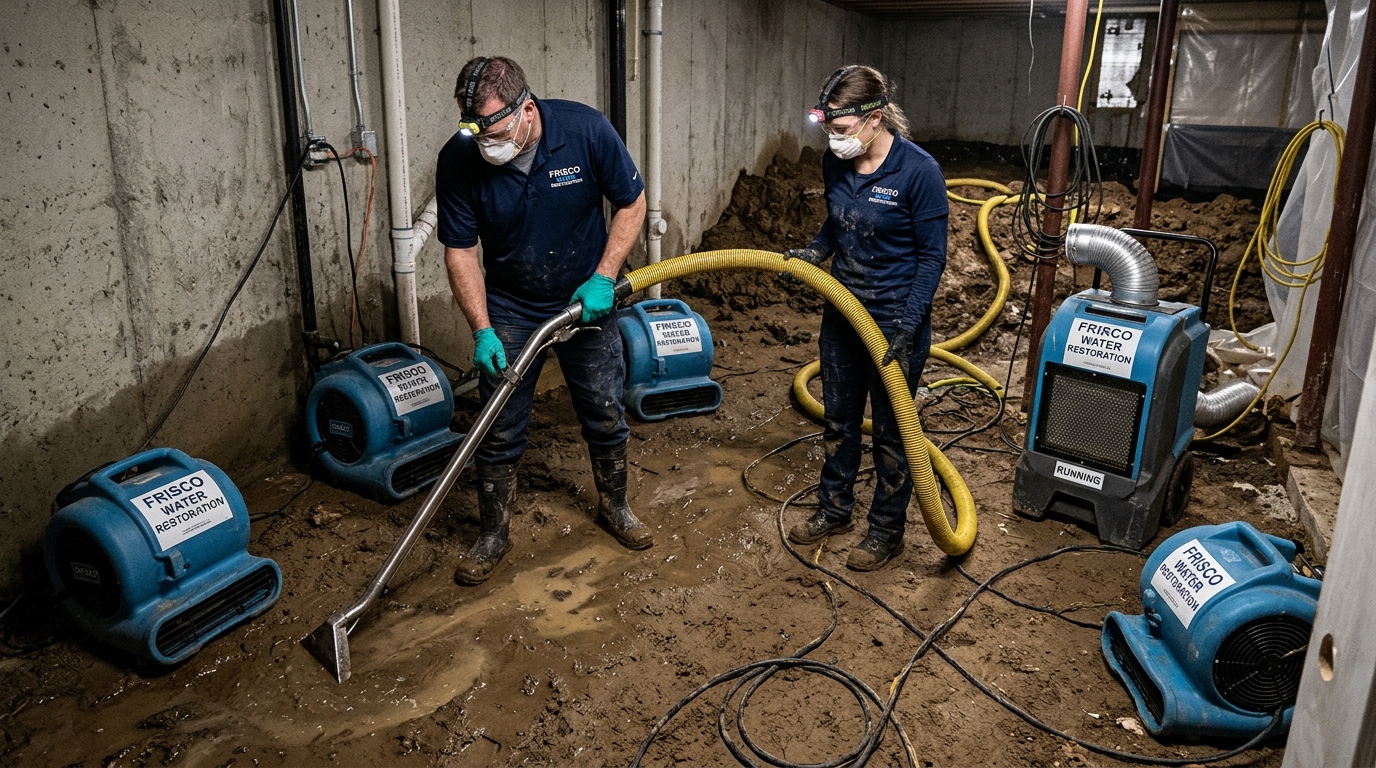
Once a plumber repairs the pipe, removing residual moisture is essential. Dense clay soil prevents swift drainage, forcing trapped water upward through concrete pores via capillary action. Trapped moisture quickly saturates subfloors, wall studs, and insulation. Without prompt intervention, elevated moisture creates ideal conditions for microbial growth and structural deterioration.
Mitigating Secondary Property Damage
Standard household fans and surface cleaning cannot reach deep moisture enclosed inside concrete pores and wall cavities. Comprehensive drying requires commercial dehumidification equipment and focused air movement. Homeowners dealing with water intrusion can consult friscowaterdamagerestoration.org to learn about professional drying and moisture mitigation methods. Swift structural drying halts mold development, prevents wood decay, and safeguards residential foundations from long-term moisture damage.