During the residential growth of the 1970s and 1980s across Southern California, builders routinely installed copper supply lines directly beneath concrete foundation slabs before pouring foundations. While copper has long served as a durable plumbing standard, placing pressurized metal pipes directly under concrete foundation slabs exposes them to substantial physical and chemical stress over time. Over decades, subtle ground settlement, normal soil compaction, thermal shifts, and contact with surrounding aggregate can create friction points along pipe exteriors.
Concurrently, municipal water distributed throughout Southern California contains substantial mineral content. This hard water, rich in dissolved calcium and magnesium, steadily flows through residential supply lines, contributing to internal corrosion and pitting within copper pipes. When interior pitting combines with exterior friction beneath a solid concrete slab, pinhole leaks often develop. Because these lines remain buried under concrete and finished flooring, leaks remain concealed from sight, quietly discharging water long before visible signs appear inside living areas.
Recognizing the Warning Signs of a Slab Leak
Because subsurface pipe failures occur beneath foundation slabs, property owners must rely on subtle cues to identify moisture issues before major secondary damage happens. A slab leak rarely creates an immediate flood; instead, it tends to show through quiet, progressive indicators across the home.
Homeowners and residents in older villages often observe distinct signs that warrant prompt investigation:
- Warm spots on ground-level floors, particularly noticeable beneath bare feet on tile, linoleum, or hardwood, indicating a compromised hot-water line.
- Persistent hissing, rushing, or dripping sounds within walls or beneath floor surfaces when all plumbing fixtures and faucets are completely shut off.
- Unexplained increases in monthly municipal water bills without changes in household water use or exterior landscape irrigation.
- Movement on the water meter dial, or an active flow indicator spinning while no appliances or fixtures are operating.
- Dampness, darkening, lifting baseboards, or warped flooring materials along ground-floor hallways, doorways, and perimeter walls.
Water Heater Vulnerabilities in Residential Garages
Another common concern tied to regional water conditions involves residential water heaters, which are typically installed in garages throughout older Irvine homes. The combination of hard water and frequent thermal cycles places considerable wear on these appliances. As incoming water is heated, dissolved calcium and magnesium precipitate out and settle at the bottom of the storage tank.
This accumulating mineral sediment forms an insulating layer between the heat source and the water, reducing efficiency and creating concentrated heat spots along the tank bottom. Over the years, internal tank linings deteriorate, sacrificial anode rods degrade, and metal bases corrode. When an aging water heater finally ruptures, it can discharge gallons of water across the concrete garage floor. Because residential garages often share common walls with living rooms, laundry areas, or entryways, escaping water can seep into drywall, insulation, and wall framing before owners notice the pooling liquid.
Seasonal Rainfall and Winter Atmospheric Rivers
Southern California is recognized for its semi-arid climate, where measurable rain is rare for much of the year. Months of dry, sunny weather can lead owners to overlook exterior moisture threats. However, regional winter patterns periodically bring strong atmospheric river storms that deliver heavy, sustained rainfall over several consecutive days.
When atmospheric storms strike Orange County, saturated ground increases subterranean moisture levels and hydrostatic pressure against concrete foundation slabs. For homes with undetected slab leaks, saturated soil prevents natural drainage, speeding the upward migration of moisture through foundation cracks. Heavy rainfall can also overwhelm exterior gutters and yard drains, compounding plumbing moisture with exterior runoff around the property perimeter.
Practical Steps for Property Maintenance and Remediation
Managing plumbing risks in mature village homes requires proactive maintenance and timely intervention. Homeowners should locate and regularly inspect the primary water shutoff valve so family members can act quickly in an emergency. Periodically inspecting garage water heaters, pipe connections, and temperature valves helps catch minor seepage before major tank failures happen.
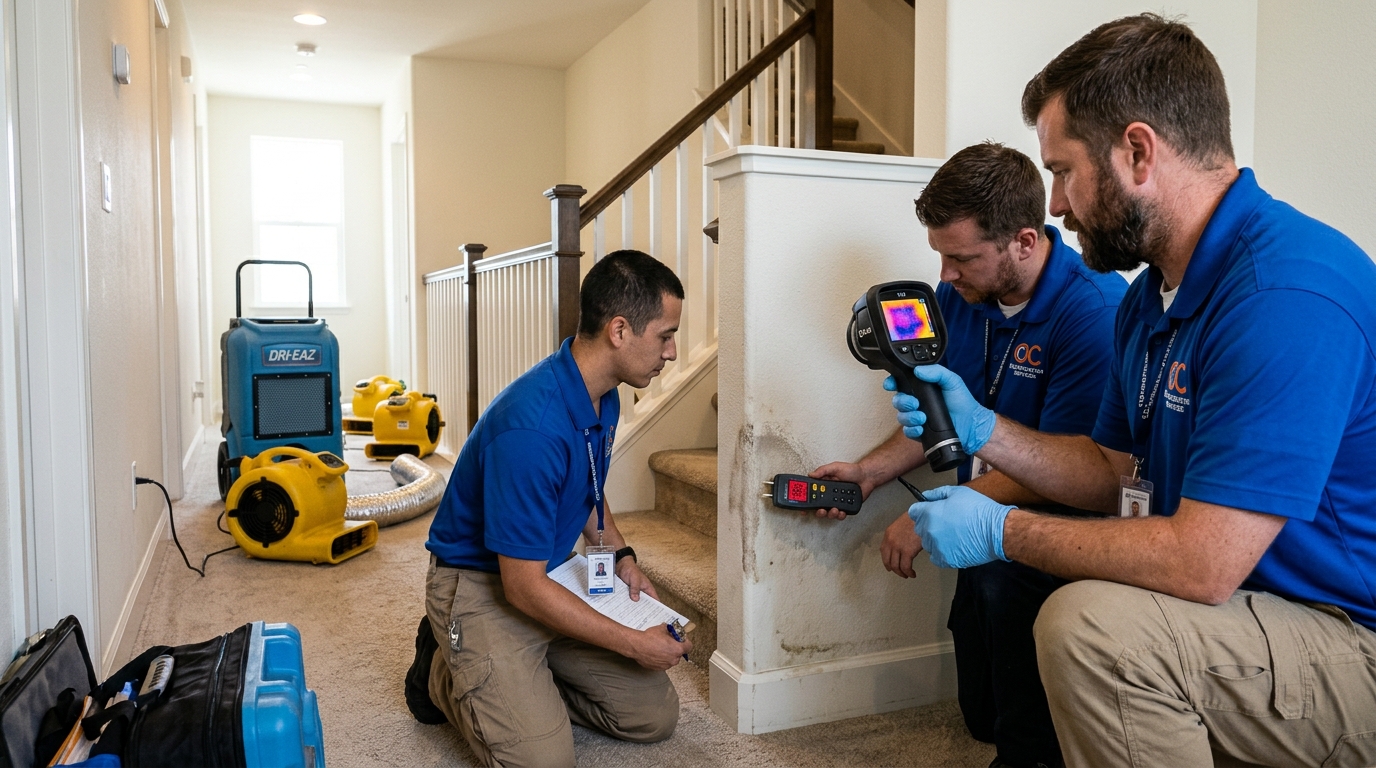
When a slab leak or hidden pipe leak is suspected, electronic leak detection equipment can pinpoint the source without unnecessary flooring removal. Following repairs, thoroughly drying affected framing and flooring is essential to maintain structural integrity. When moisture breaches walls or seeps upward through floorboards, consulting professional drying resources such as waterdamagerestorationirvineca.org can help residents address moisture before structural framing or drywall deteriorates. Long-term home care across classic villages like Woodbridge, Northwood, Turtle Rock, El Camino Real, and University Park depends on understanding how local soil, aging copper, and water chemistry interact, ensuring these residences remain sound for the future.